A refaced kitchen can transform your entire home, bringing fresh life and style without the cost or hassle of full cabinet replacement. Once your kitchen cabinet doors, drawers, and frames look new again, proper maintenance becomes essential for protecting that investment. With a few mindful habits, you can keep your cabinetry looking sharp, extend its longevity, and preserve the quality that makes your kitchen feel renewed.
Why Maintenance Matters for Refaced Cabinets
Even the most durable materials can lose their luster when exposed to everyday challenges like water, grease, and sunlight. Regular cleaning and gentle care reduce wear and tear while maintaining both function and aesthetics. The great advantage of cabinet refacing is that it provides the look of new cabinetry without disrupting your entire kitchen remodeling plan; however, your cabinets still need attention to stay beautiful for years to come.
Cleaning Refaced Cabinets the Right Way
Daily and Weekly Care
Keeping your refaced cabinets free of dust, splatters, and residue is one of the easiest ways to protect their finish. Aim for gentle cleaning rather than aggressive scrubbing.
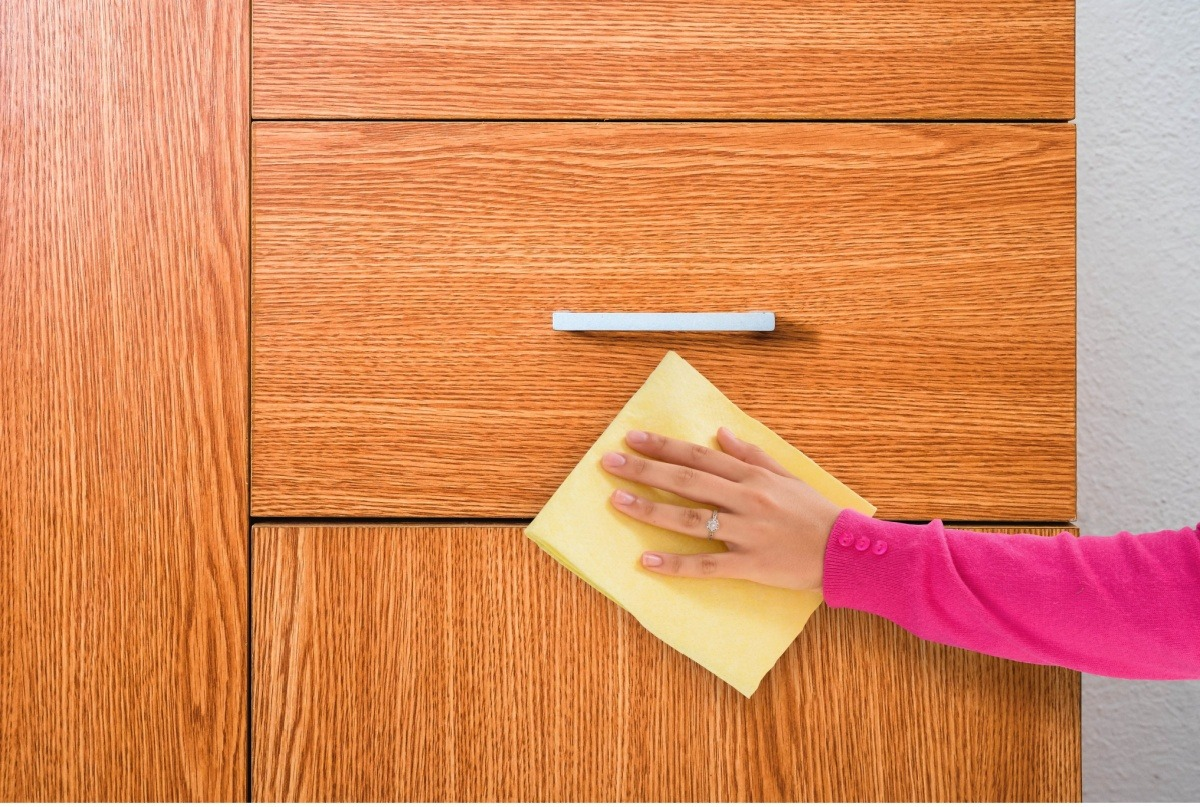
- Use a soft microfiber cloth or sponge lightly dampened with warm water and mild soap.
- Wipe in the direction of the wood grain or surface pattern to avoid streaks.
- Immediately dry the surface with a clean, soft towel to prevent water from seeping into corners or seams.
- Avoid leaving moisture sitting near hinges, drawer fronts, or along the countertop edge, where it can cause swelling or peeling.
Avoid Harsh Cleaners and Tools
Some cleaning products may seem powerful, but many contain ingredients that can damage your cabinetry finish. Be cautious with any substance that lists alcohol, acid, or strong solvent content.
Avoid:
- Ammonia or ammonia-based sprays
- Vinegar, lemon juice, or other acidic cleaners
- Abrasive pads, steel wool, or scouring brushes
- Strong degreasers containing silicone or harsh detergent blends
For gentle cleaning power, stick to mild dish soap or a specialized cabinet cleaner formulated for wood or thermofoil surfaces. Always apply with a soft cloth or brush rather than spraying directly onto the cabinets.
Managing Heat, Water, and Moisture
Protecting Against Water and Steam
Kitchens naturally invite humidity and splashes, but prolonged exposure can damage even the most carefully refaced cabinets. Always wipe up spills quickly, especially around sinks, dishwashers, and coffee makers.
If your countertop area near the sink tends to stay damp, keep a dry towel handy to prevent water from pooling along the bottom trim. Avoid hanging wet dishcloths over cabinet doors since moisture trapped against the surface can weaken adhesives or wood veneer over time.
Controlling Heat and Ventilation
Heat from ovens, toasters, or coffee machines can affect both paint and laminate finishes. Keep small appliances a few inches away from cabinet surfaces when in use.
Good ventilation makes a significant difference. Use your range hood fan while cooking to reduce humidity, steam, and grease particles in the air. Proper airflow protects both the exterior finish and internal cabinet components.
Preventing Common Sources of Damage
Protecting from Grease and Dust
Even with regular maintenance, airborne grease can accumulate around stoves and upper cabinets. To manage buildup:
- Use a degreaser made for cabinetry, not a heavy-duty solvent.
- Wipe weekly with a microfiber cloth dampened with warm soapy water.
- Pay special attention to cabinet handles, drawer pulls, and trim.
Regular attention keeps your cabinets looking clean and prevents residue from dulling the finish or trapping dust.
Guarding Against Sunlight and Temperature Changes
Direct sunlight can cause finishes to fade unevenly, especially on wood or stained cabinetry. If your kitchen has large windows, consider light-filtering curtains or shades. Consistent temperature and humidity levels also help preserve both the structure and appearance of your cabinets, minimizing cracking or warping.
How to Tackle Stains and Spills
For stubborn spots caused by food, oil, or soap residue, patience is key. Avoid aggressive scrubbing or reaching for harsh chemicals.
- Grease stains: Warm water with a drop of dish soap often lifts grease safely.
- Sticky residue: A cloth lightly dampened with a mild cleaner works best.
- Stains on painted surfaces: A slightly damp sponge followed by a dry towel prevents streaking.
If you must use a stronger cleaner, look for products labeled safe for kitchen cabinets or wood furniture. Avoid anything that lists alcohol or concentrated acid among its ingredients.
Extending the Longevity of Your Refaced Cabinets
The lifespan of your refaced kitchen depends on consistent, gentle maintenance. By controlling exposure to moisture, heat, and direct sunlight, you can protect the materials and finishes for decades. Regular cleaning prevents dust, grease, and dirt from becoming long-term problems, while prompt attention to scratches or minor chips keeps your cabinetry looking like new.
If a handle loosens or a drawer begins to stick, small adjustments can prevent long-term damage. Tighten hardware with a screwdriver instead of forcing movement, and check for alignment once or twice a year. These small actions build up to long-lasting results.
When to Refresh Your Cabinetry Again
Even with proper maintenance, kitchens naturally experience wear over time. After several years, you may wish to refresh the look or update the color to align with current home improvement trends. Because refacing uses your existing cabinet structure, another facelift can often be completed faster and at a lower cost than a full renovation. Keeping your cabinets in excellent shape now makes any future updates even simpler.
Bring Your Vision to Life with Capital Kitchen Refacing
Your cabinets are more than storage; they define the character of your kitchen and influence how the entire room feels. If you’re ready to upgrade your space, improve function, or recover from years of wear and tear, Capital Kitchen Refacing is ready to help. Our team specializes in high-quality cabinet refacing that enhances your home’s beauty without the stress of a full renovation. We work with trusted materials, from custom wood to durable paint and wood veneer finishes, providing tailored results that stand the test of time.
Reach out today to schedule your free consultation and discover how our craftsmanship and customer-focused process can elevate your kitchen. Transform your cabinetry, protect its longevity, and fall in love with your home all over again with Capital Kitchen Refacing.